Player profile

Wang Tianyi Xiangqi Profile: Games & Career

A source-layered Wang Tianyi Xiangqi profile covering national titles, representative games, opening choices, video context, and the 2024 association notice.

Public-record research profilePublic-record research edition · Updated 2026-09-06

Sachess research sample (5 selected games)

5Games studied
4Wang wins
1Opponent wins
241 pliesLongest game

Player and method

Why study Wang Tianyi?

Wang Tianyi’s public career is best read along two lines. The results line includes national individual titles, Biyuguan Cup results, and league performance. The game line shows how he converted initiative in a short game and kept improving a position across hundreds of plies in a long one. A title count alone misses that technical outline.

Wang Tianyi speaking in a tournament interview
Wang Tianyi in a tournament interview (video thumbnail) · Original YouTube video ↗

Sachess separates fact, sample, and interpretation. Official event reports support titles and results; public game records provide moves and opening fields; phrases such as “patient pressure” and “long-game endurance” are editorial observations tied to specific games. These five games are a curated study sample, not a career win rate or official rating.

This page includes six images from different settings: original video thumbnails plus high-resolution event and award photos from Guangxiang, Sohu and China Daily.

Fact layer

Career timeline: from titles to public record

The timeline below verifies the dated milestones first, then explains how they connect into a career path.

  1. Youth titles and Peking University years

    Wang Tianyi began learning Xiangqi at about six. In 2005 he won the under-16 national youth championship and became a Xiangqi master. Unlike players who move directly from a youth team into a professional squad, he kept school central during high school, later studied information management at Peking University, and won the second Wufang Cup as a Peking University student in 2009.

    Peking University News ↗
  2. Cailun Zhuhai Cup: the first major invitational title

    At the second Cailun Zhuhai Cup Elite Invitational, Wang secured the title with a round to spare and finished with 7 wins and 4 draws from 11 games. The result, together with the prize and the strength of the field, marked the point when his youth and open-tournament results became a sustained professional championship record.

    Guangxiang event report ↗
  3. League top scorer: carrying form into the team season

    Beijing Weikai Construction did not win the league, but Wang led the individual slow-game table with 12 wins, 9 draws and 1 loss from 22 games. That 33-point season explains why he was already viewed as one of the strongest contenders before the national individual championship later that year.

    China News league report ↗
  4. National champion and grandmaster qualification

    At the 47th National Xiangqi Individual Championship in Pan’an, Wang stayed unbeaten with 5 wins and 6 draws, becoming the 16th men’s national champion in the PRC era and gaining the qualification associated with the grandmaster title. The event was not a wire-to-wire sweep: after a 4–1 start he drew four strong opponents in succession, then beat Sun Yiyi in round ten to establish the lead.

    General Administration of Sport event report ↗
  5. First world individual title: from domestic breakthrough to international stage

    At the 13th World Xiangqi Championship in Huizhou, Wang made his first world-championship appearance for China. He won his first five games and finished with 7 wins and 2 draws to take the men’s individual title, while helping China win the men’s team title with Sun Yongzheng. His post-event comments also stressed team honours and the rapid progress of overseas players.

    Sohu Sports world championship report ↗
  6. Rating leadership and a first Biyuguan Cup

    Around 2014, Wang moved ahead of Xu Yinchuan in the domestic rating list and entered a long period at number one. In 2015 he represented Guangxi Cross-Century in the league, where a heavily assembled squad won the team title; he also won the fourth Biyuguan Cup with 2 wins and 4 draws, his first title in that event.

    General Administration of Sport Biyuguan report ↗
  7. A club dispute behind the professional record

    Guangxi Cross-Century did not enter the following league season. Wang and Wang Yuefei publicly said that wages and bonuses were unpaid and appointed lawyers. Whatever view one takes of the dispute, it shows that a professional player’s record also includes registration, contracts and the commercial constraints of team competition; later litigation cannot be reduced to one side’s news account.

    Archived Sina Sports dispute report ↗
  8. Manila world championship: a second world individual title

    In the final round of the 15th World Xiangqi Championship, Wang and Zheng Weitong finished level on 15 points, with Wang taking the title on tiebreak criteria. The account is not simply one of domination: it records survival in unclear positions and Wang’s own acknowledgement that form, fatigue, the progress of overseas players and practical luck all mattered.

    Archived Sina Sports world report ↗
  9. Joining the Hangzhou system and winning a third Biyuguan Cup

    Wang signed with Hangzhou Qiyuan in 2018. In that year’s Biyuguan Cup final he beat Zheng Weitong 2–0 with three draws, becoming the event’s first successful defending champion and taking his third title. The official account highlights the fifth game, where a cannon sacrifice for an elephant opened the blockade and converted a positional advantage.

    General Administration of Sport Biyuguan report ↗
  10. Third national individual title and Hangzhou’s rise

    Wang won the men’s national individual title again in 2019, his third after 2012 and 2016. Hangzhou then became a stronger team-title contender, with public event coverage recording a league runner-up finish in 2019. The importance is not only another trophy: individual results and club-building began to meet in the Hangzhou phase of his career.

    General Administration of Sport national event record ↗
  11. Coach-player leadership and Hangzhou’s first league title

    In 2022 Wang led Hangzhou Environment Group as both coach and player. He played throughout the 22-round regular-season and playoff structure, lost only one game, and helped Hangzhou defeat Henan for the club’s first top-level league title; he also won both regular-season and playoff MVP awards. This was a shift from individual title contender to someone carrying organisational and match-day responsibility.

    Chinese Xiangqi Association season report ↗
  12. Fourth national individual title: the last chapter of the peak record

    The 2023 national individual championship brought together 64 qualifiers, including several former champions and grandmasters. Wang reached the final and beat Meng Chen 1–0 with one draw to claim his fourth title. The General Administration of Sport’s early-2023 rating list still placed him first at 2773, so the fourth title and sustained rating leadership together mark the peak of this public competitive record.

    General Administration of Sport 2023 national report ↗
Career in context

An unconventional route into the profession

Wang’s career is not the standard story of a player who moves from a youth team straight into a professional squad and then collects titles. Public reports say he began around age six, won the under-16 national youth title in 2005 and became a master, while keeping school important. He studied information management at Peking University and was still taking leave for league games and returning for classes in 2011. Winning the Wufang Cup as a Peking University student in 2009 shows that his later breakthrough was built on serious competitive results, not a sudden online rise.

Peking University News ↗

2012: title, league and qualification arrived together

2012 was the year Wang’s career changed category. He won the Cailun Zhuhai Cup in March, led the slow-game league table in September with 12 wins, 9 draws and 1 loss, then won the national individual championship unbeaten in October. Read together, those results explain the speed of his rise better than a bare count of national titles: he could score actively in an invitational, stay stable through a long team season, and avoid unnecessary risk when the national title was within reach.

General Administration of Sport 2012 national report ↗

From a domestic breakthrough to world champion

The 2013 and 2017 world titles show two different stages of Wang’s professional identity. In Huizhou in 2013 he made his first world-championship appearance for China, won his first five games, finished 7–0–2 and helped China win the team title with Sun Yongzheng. Manila in 2017 was more a test of endurance and tournament calculation: Wang and Zheng Weitong tied on 15 points, with Wang winning on tiebreak criteria. Together, the events show stability, team cooperation, survival under pressure and the ability to navigate a scoring system.

Sohu and Sina Sports event reports ↗

Number one was not produced by one title

Wang’s most distinctive public record is the length of his time near the top of the domestic rating list, not merely a brief peak after one championship. Around 2014 he moved ahead of Xu Yinchuan; the General Administration of Sport’s list at the end of 2022 still placed him first on 2773. That does not prove that he had no serious rivals in every period. It does show a form of cross-event and cross-season consistency that four national titles alone cannot explain.

General Administration of Sport rating report ↗

Club life: from team anchor to Hangzhou leader

A professional player’s record also has to be read inside the club system. Guangxi Cross-Century assembled an expensive strong team and won the league in 2015; the following year a dispute over wages and bonuses became public, and Wang and Wang Yuefei appointed lawyers. After Wang joined Hangzhou Qiyuan, individual titles and team building increasingly met: Hangzhou finished runner-up in 2019, then won its first top-level league title in 2022 with Wang serving as coach and player. The change was not just a transfer; it added organisational responsibility to his match role.

Chinese Xiangqi Association 2022 season report ↗

From the board to the camera: a public role in the livestream era

Wang’s public identity did not stop at tournament results. As livestreams and short video became major ways for players to reach audiences, he faced several standards at once: explaining games, speaking live, managing fan interaction and responding to platform-driven discussion. The Zhihu thread about a “Wang Tianyi assistant” is a user-submitted discussion rather than an investigation. Some answers place the assistant in visible roles around account planning, livestream-room order and reminders about public statements. This page does not convert relationship claims, recordings or post-investigation social activity into verified facts; it uses the thread only as a public-opinion sample showing why a modern player’s reputation is shaped by more than wins and titles.

Zhihu: discussion about Wang Tianyi’s assistant ↗

Biyuguan Cup and the national individual title: two complementary championship lines

The national individual championship is tied to the “national champion” identity and grandmaster qualification, while the Biyuguan Cup is a high-prize invitational among leading champions. Wang won the national men’s title in 2012, 2016, 2019 and 2023; he first won the Biyuguan Cup in 2015, then beat Zheng Weitong 2–0 with three draws in 2018 for his third title and the event’s first successful defence. The formats are different and should not be added as one kind of honour, but together they show range across long scoring events and multi-game finals.

General Administration of Sport 2018 Biyuguan report ↗

2022–2023: two views of the competitive peak

The 2022 league double MVP and the fourth national individual title in 2023 are best read side by side. The first came from regular-season, playoff and team consistency; the second from surviving a 64-player knockout structure and beating Meng Chen in the final. One shows how individual strength became team stability. The other shows that he could still handle high-pressure individual elimination matches. A serious profile needs both kinds of evidence.

General Administration of Sport 2023 national report ↗
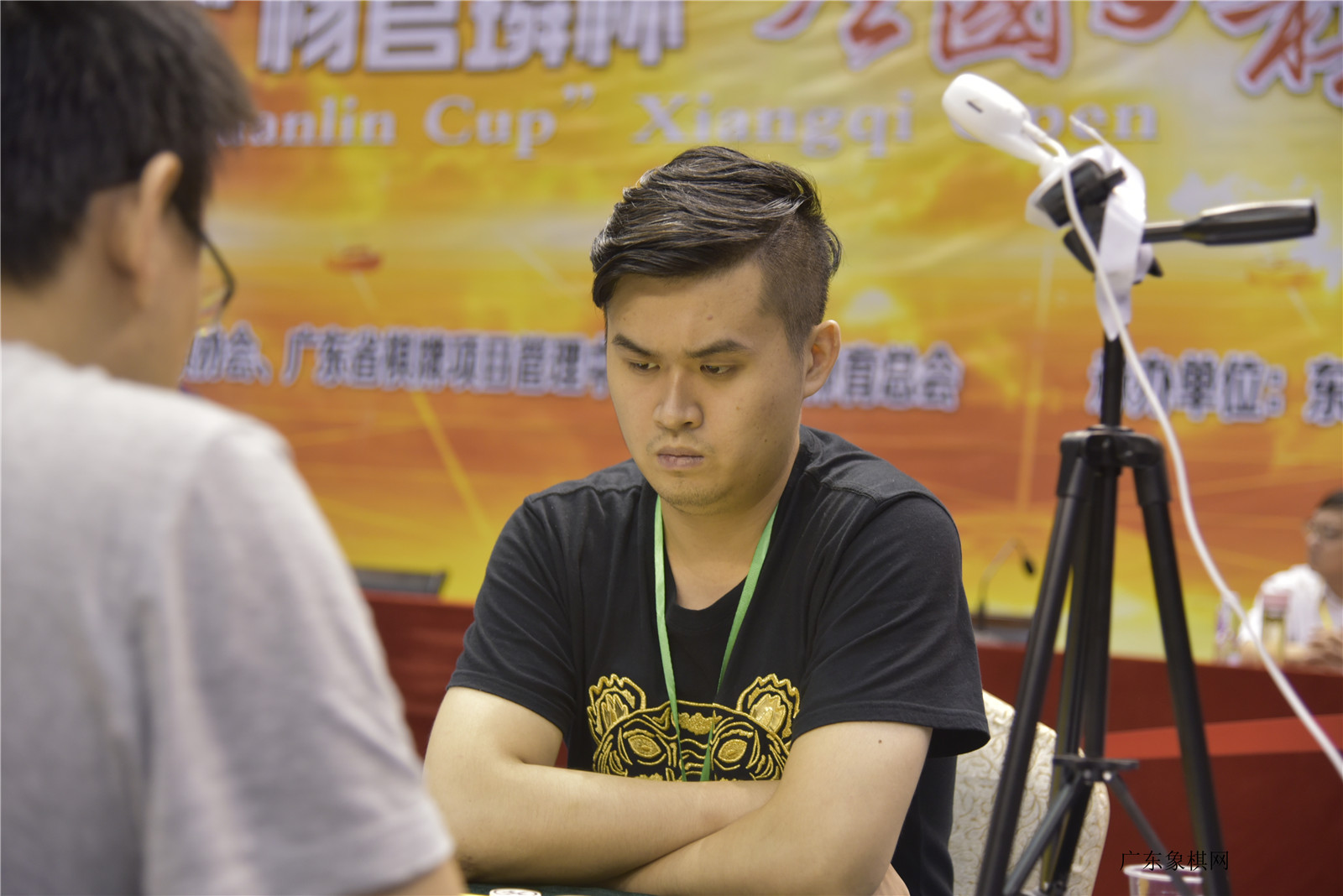
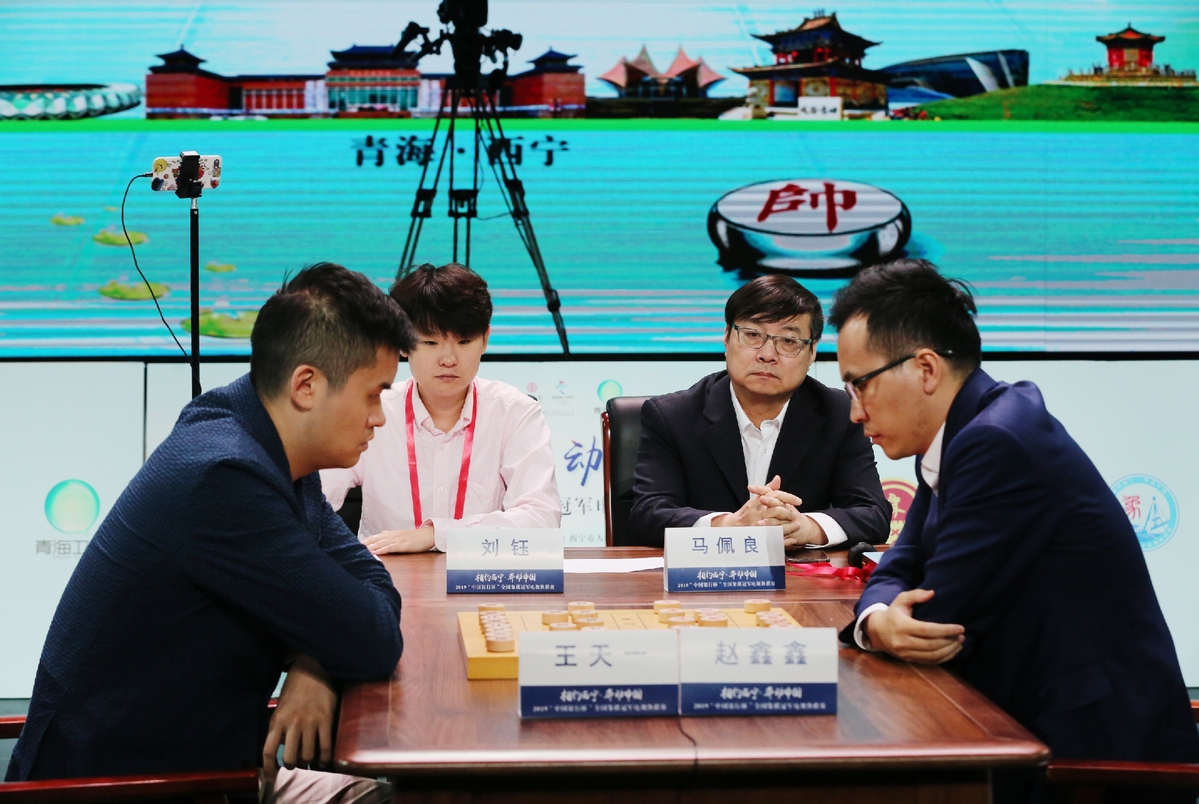
Wang Tianyi watching a game between rounds at a Xiangqi event
At the event: Wang Tianyi studying a position between games · Original Guangxiang image ↗

Fact layer

Major results: traceable records only

National individual championship4 men’s titles

2012, 2016, 2019, and 2023; the 2023 official report explicitly calls it his fourth.

Biyuguan CupAt least 3 titles

First won in 2015; the 2018 official report calls it his third and records his defense.

2012 national league season12 wins, 9 draws, 1 loss

The official report gives 22 games, a 75% win rate, and the best individual-player award.

Current-status note

Current status and controversy: keep sources separate

The 2024 Chinese Xiangqi Association discipline notice said its investigation found Wang and others involved in buying and selling games and manipulating matches, and announced a lifetime ban and revocation of technical titles. According to media reports, a 2025 first-instance sentence of two years and nine months from Hangzhou Shangcheng District Court. Sachess does not present the media report as a final appellate outcome or speculate about later status without a primary document.

Wang Tianyi playing at a Xiangqi event
Wang Tianyi at the board in a formal event (video thumbnail) · Original YouTube video ↗

Sample note

Style and openings: judgments need game evidence

Initiative pressure92/100

The short and middlegame samples show initiative being converted; see the 2023 and 2018 games.

Long-game patience95/100

The 241-ply game against Xu Guoyi and 185-ply game against Zheng Weitong are direct samples.

Practical flexibility88/100

The archive includes a 2016 loss as well as wins, so style is not reduced to a one-way label.

Endgame/conversion90/100

Later manoeuvres and simplification in the long games deserve replay; this is not an engine score.

These are Sachess editorial reading labels based on the five selected games, not official ratings, engine win rates, or complete career statistics.

Fei-Xiang systems

2017 and 2018 samples

Stabilize the structure, then create lasting pressure through piece activity and pawn advances.

Two-headed Snake vs right Horse

2023 national individual

A short-game sample for studying the race between advances and defensive time.

Central Cannon river-chariot vs Screen Horse

2016 vs Cao Yanlei

A counter-sample: Wang lost as Black, so an opening label is not a forced-win formula.

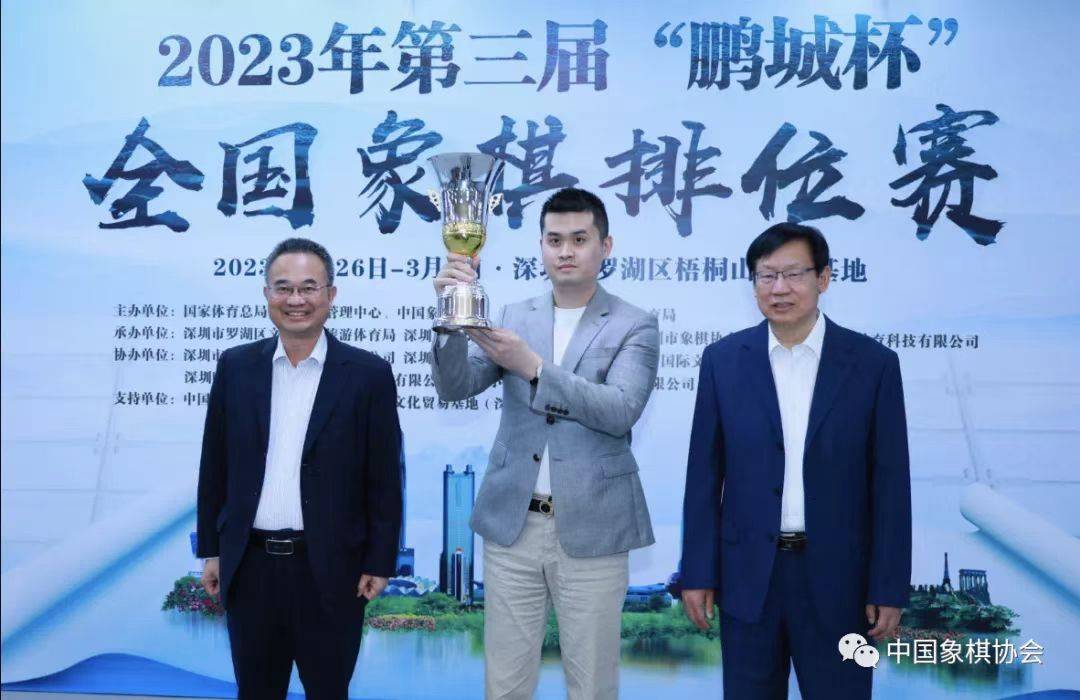
Wang Tianyi raising the Pengcheng Cup trophy at the awards ceremony
Awards ceremony: Wang Tianyi with the Pengcheng Cup · Original Sohu report ↗

Sample note

Five Sachess selections: wins, long games, and a loss

Separating fact from interpretation is the core of this page’s originality. Sources support public facts, while Sachess adds sample selection, cross-game comparison, editorial labels, study questions, and replay paths.

Enable JavaScript to load the in-page replay board here, or open the endgame puzzle set

01

2018 · Wang Tianyi won

Wang Tianyi vs Zheng Weitong: Patient pressure in a long game

1-0
Red: Wang TianyiBlack: Zheng WeitongEvent: 2018 Biyuguan Cup National Xiangqi Champions InvitationalRound: Round 4Record length: 185 half-movesOpening: Fei-Xiang, left knight development vs. 7th-pawn advance
Wang Tianyi vs Zheng Weitong: Patient pressure in a long game — full-game GIF animation
2018-12-05 · 185 half-moves · High-resolution game animation generated by Sachess

This 185-ply game is a study in sustained pressure. Wang chose a Fei-Xiang setup, improved his pieces first, and gradually turned space and activity into a practical advantage instead of forcing an early spectacle.

Study path: Study lesson: a winning game can be built through repeated improvements when the advantage is not yet concrete enough for a tactic.

Opening moves (Click a move to sync the replay board above)
1.
2.
3.
4.
5.
6.
7.
8.
9.
10.
11.
12.
13.
14.
15.
16.
17.
18.
19.
20.
21.
22.
23.
24.
25.
26.
27.
28.
29.
30.
31.
32.
33.
34.
35.
36.
37.
38.
39.
40.
41.
42.
43.
44.
45.
46.
47.
48.
49.
50.
51.
52.
53.
54.
55.
56.
57.
58.
59.
60.
61.
62.
63.
64.
65.
66.
67.
68.
69.
70.
71.
72.
73.
74.
75.
76.
77.
78.
79.
80.
81.
82.
83.
84.
85.
86.
87.
88.
89.
90.
91.
92.
93.
02

2015 · Wang Tianyi won

Liu Dahua vs Wang Tianyi: Turning complexity into technique

0-1
Red: Liu DahuaBlack: Wang TianyiEvent: 2015 Tencent National Xiangqi LeagueRound: Round 16Record length: 156 half-movesOpening: Fei-Xiang into Screen Horse vs. left central cannon
Liu Dahua vs Wang Tianyi: Turning complexity into technique — full-game GIF animation
2015-08-12 · 156 half-moves · High-resolution game animation generated by Sachess

This league game broadens the profile beyond Wang’s wins with the first move. He played from the second move in a complex, 156-ply fight whose later phase included repeated manoeuvres and careful simplification.

Study path: Study lesson: ask not only who has the larger attack, but who makes the opponent’s counterplay less effective and complexity easier to manage.

Opening moves (Click a move to sync the replay board above)
1.
2.
3.
4.
5.
6.
7.
8.
9.
10.
11.
12.
13.
14.
15.
16.
17.
18.
19.
20.
21.
22.
23.
24.
25.
26.
27.
28.
29.
30.
31.
32.
33.
34.
35.
36.
37.
38.
39.
40.
41.
42.
43.
44.
45.
46.
47.
48.
49.
50.
51.
52.
53.
54.
55.
56.
57.
58.
59.
60.
61.
62.
63.
64.
65.
66.
67.
68.
69.
70.
71.
72.
73.
74.
75.
76.
77.
78.
03

2017 · Wang Tianyi won

Wang Tianyi vs Xu Guoyi: Converting an advantage into endurance

1-0
Red: Wang TianyiBlack: Xu GuoyiEvent: 2017 Tencent National Xiangqi LeagueRound: Round 13Record length: 241 half-movesOpening: Fei-Xiang vs. left central cannon
Wang Tianyi vs Xu Guoyi: Converting an advantage into endurance — full-game GIF animation
2017-07-19 · 241 half-moves · High-resolution game animation generated by Sachess

At 241 plies, this is an excellent long-game sample. Wang gained the initiative as Red, but the game continued into a technical phase that demanded repeated improvements rather than one decisive combination.

Study path: Study lesson: a long game is not mechanical repetition; each king, horse, and cannon redeployment changes the opponent’s available resources.

Opening moves (Click a move to sync the replay board above)
1.
2.
3.
4.
5.
6.
7.
8.
9.
10.
11.
12.
13.
14.
15.
16.
17.
18.
19.
20.
21.
22.
23.
24.
25.
26.
27.
28.
29.
30.
31.
32.
33.
34.
35.
36.
37.
38.
39.
40.
41.
42.
43.
44.
45.
46.
47.
48.
49.
50.
51.
52.
53.
54.
55.
56.
57.
58.
59.
60.
61.
62.
63.
64.
65.
66.
67.
68.
69.
70.
71.
72.
73.
74.
75.
76.
77.
78.
79.
80.
81.
82.
83.
84.
85.
86.
87.
88.
89.
90.
91.
92.
93.
94.
95.
96.
97.
98.
99.
100.
101.
102.
103.
104.
105.
106.
107.
108.
109.
110.
111.
112.
113.
114.
115.
116.
117.
118.
119.
120.
121.
04

2023 · Wang Tianyi won

Wang Tianyi vs Meng Chen: A short decisive game at the 2023 nationals

1-0
Red: Wang TianyiBlack: Meng ChenEvent: 2023 Guizhou Wangdao National Men’s Individual ChampionshipRound: Round 6Record length: 65 half-movesOpening: Two-headed Snake vs. right horse development
Wang Tianyi vs Meng Chen: A short decisive game at the 2023 nationals — full-game GIF animation
2023-05-07 · 65 half-moves · High-resolution game animation generated by Sachess

At only 65 plies, this game has a clear sense of a race. Read it alongside the long games: the same player could accumulate patiently, then convert the initiative quickly when the position allowed it.

Study path: Study lesson: a short game is not necessarily simple; watch how central and wing advances reduce the defender’s time.

Opening moves (Click a move to sync the replay board above)
1.
2.
3.
4.
5.
6.
7.
8.
9.
10.
11.
12.
13.
14.
15.
16.
17.
18.
19.
20.
21.
22.
23.
24.
25.
26.
27.
28.
29.
30.
31.
32.
33.
05

2016 · Opponent won

Cao Yanlei vs Wang Tianyi: The loss that belongs in the archive

1-0
Red: Cao YanleiBlack: Wang TianyiEvent: 2016 Masters eventRecord length: 51 half-movesOpening: Central Cannon river chariot vs. Screen Horse
Cao Yanlei vs Wang Tianyi: The loss that belongs in the archive — full-game GIF animation
2016 · 51 half-moves · High-resolution game animation generated by Sachess

A profile made only of wins becomes a brochure. This 51-ply loss is a useful counter-sample: it shows how Wang faced an opponent’s active plan in a Central Cannon structure and why a game may fail to follow the expected script.

Study path: Study lesson: understand a player through wins, defensive tasks, and positions where the expected advantage never becomes concrete.

Opening moves (Click a move to sync the replay board above)
1.
2.
3.
4.
5.
6.
7.
8.
9.
10.
11.
12.
13.
14.
15.
16.
17.
18.
19.
20.
21.
22.
23.
24.
25.
26.

Featured videos

Video index: keep outside commentary in context

Videos are indexed as outside commentary with original channels and reasons to watch. Sachess does not download or re-host them, and an editorial index is not presented as original video.

Bilibili picks

Bilibili embeds can be unreliable in third-party pages; use the thumbnail or link to watch on Bilibili.

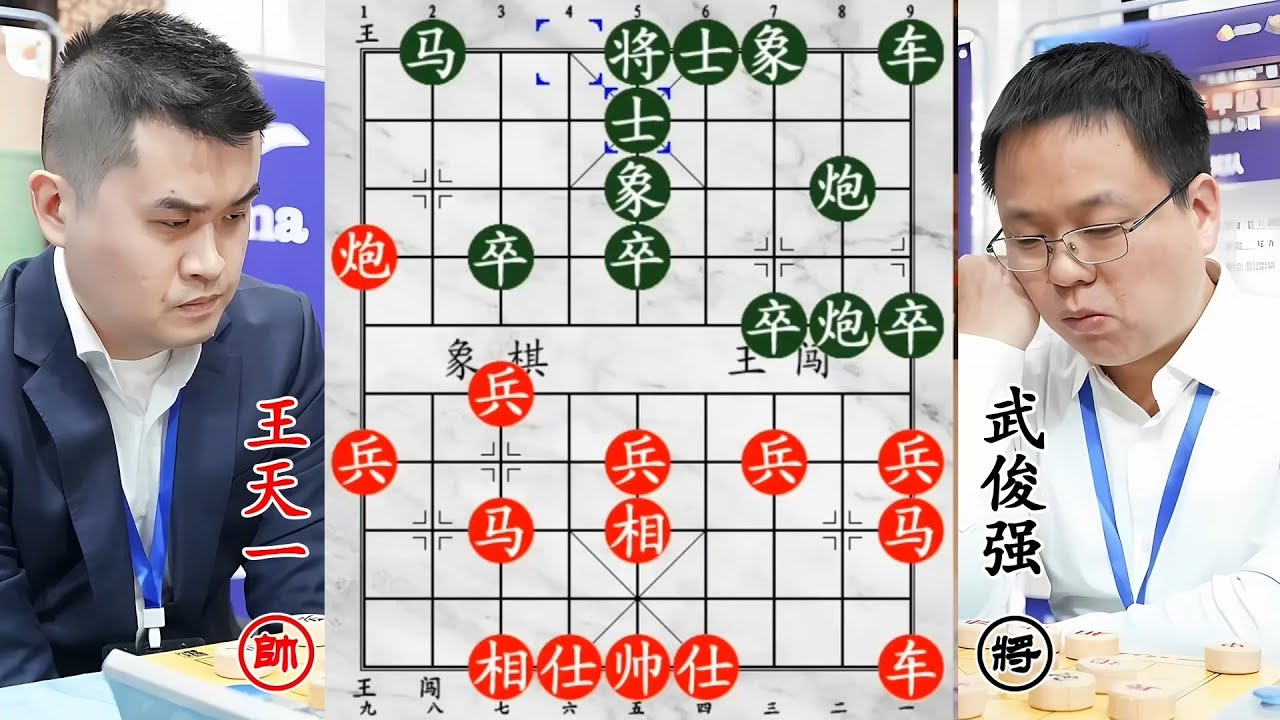
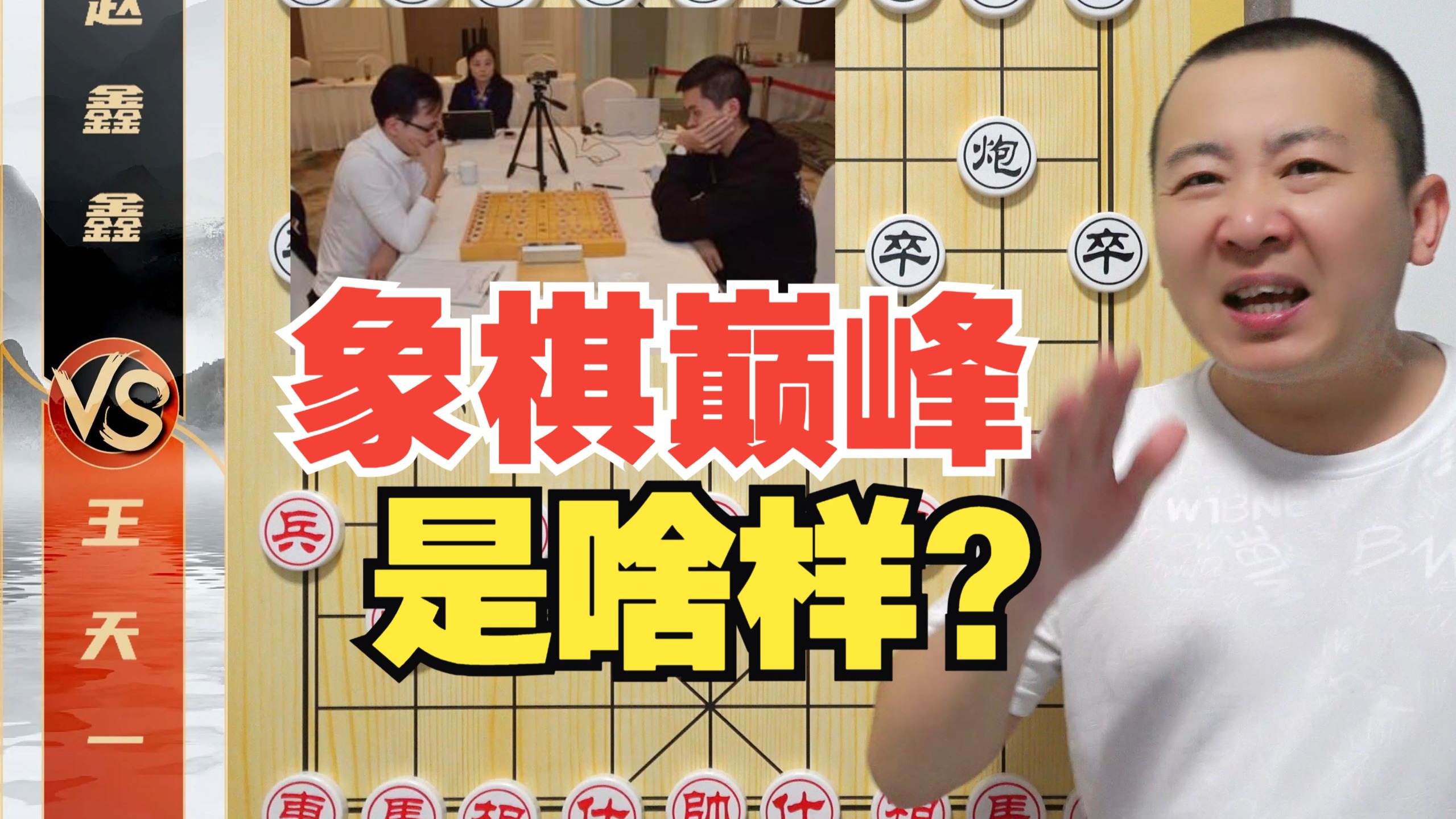
What did the old Xiangqi peak look like? Wang Tianyi vs. Zhao Xinxin

Bilibili · 板牙象棋

A classic Wang Tianyi–Zhao Xinxin game that adds match context for Wang’s peak period.

Duration: 17:06Watch on original site ↗

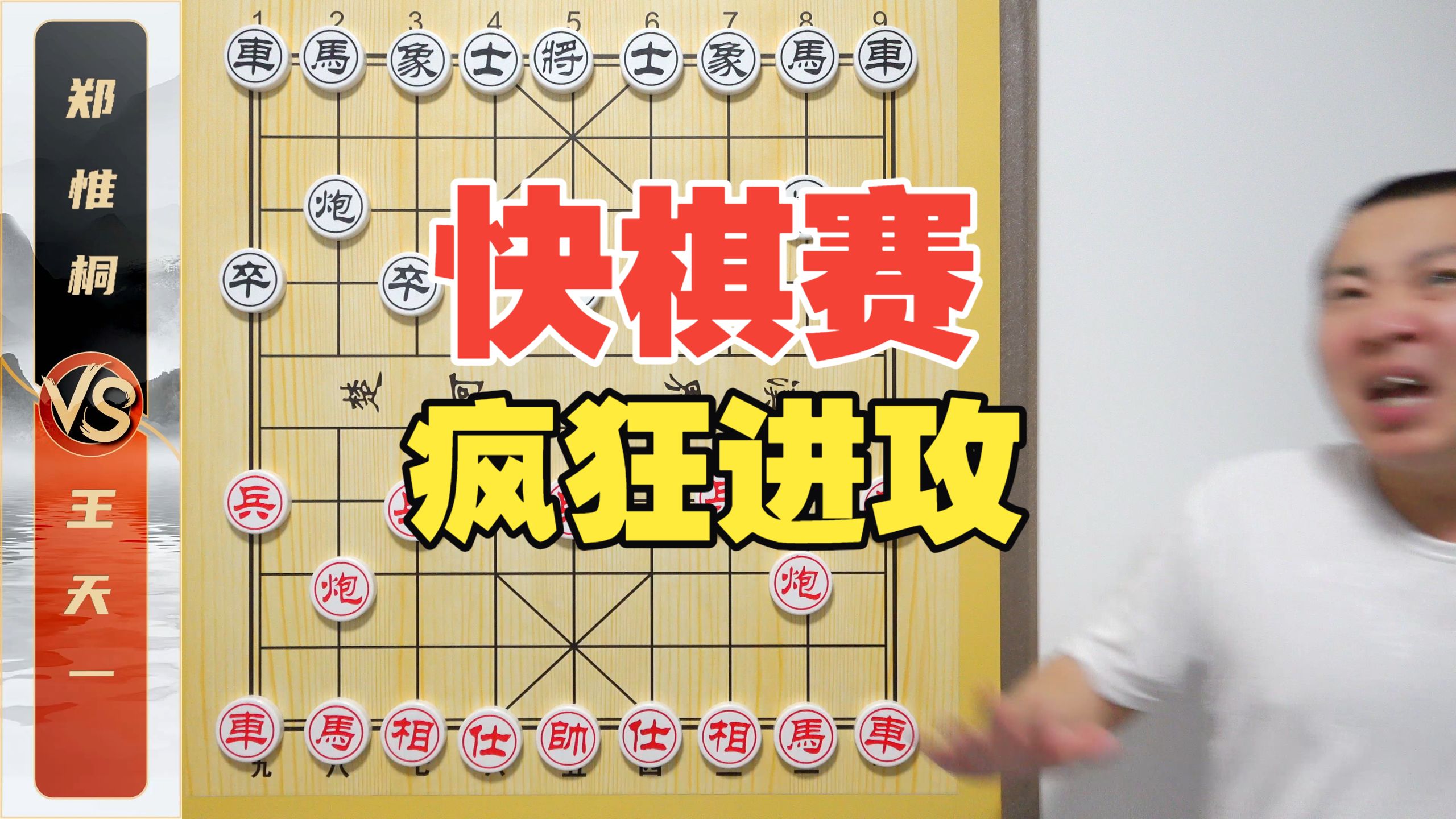
Rapid-game classic: Wang Tianyi vs. Zheng Weitong, all-out attack

Bilibili · 板牙象棋

A rapid-game attacking battle that can be compared with the long-game samples on this page.

Duration: 06:41Watch on original site ↗

A visual feast: Wang Tianyi vs. Xu Yinchuan explained

Bilibili · 板牙象棋

A representative Wang–Xu encounter that adds a comparison between two playing styles.

Duration: 14:08Watch on original site ↗

“Tianxiu”: Wang Tianyi vs. Hong Zhi explained

Bilibili · 板牙象棋

A game that highlights practical creativity and broadens the profile beyond a simple attacking label.

Duration: 21:10Watch on original site ↗

2023 national individual final: Wang Tianyi and Meng Chen meet

Bilibili · 华丽象棋丨棋软代理

Places the 2023 final in its event-day context alongside the career timeline.

Duration: 02:56Watch on original site ↗

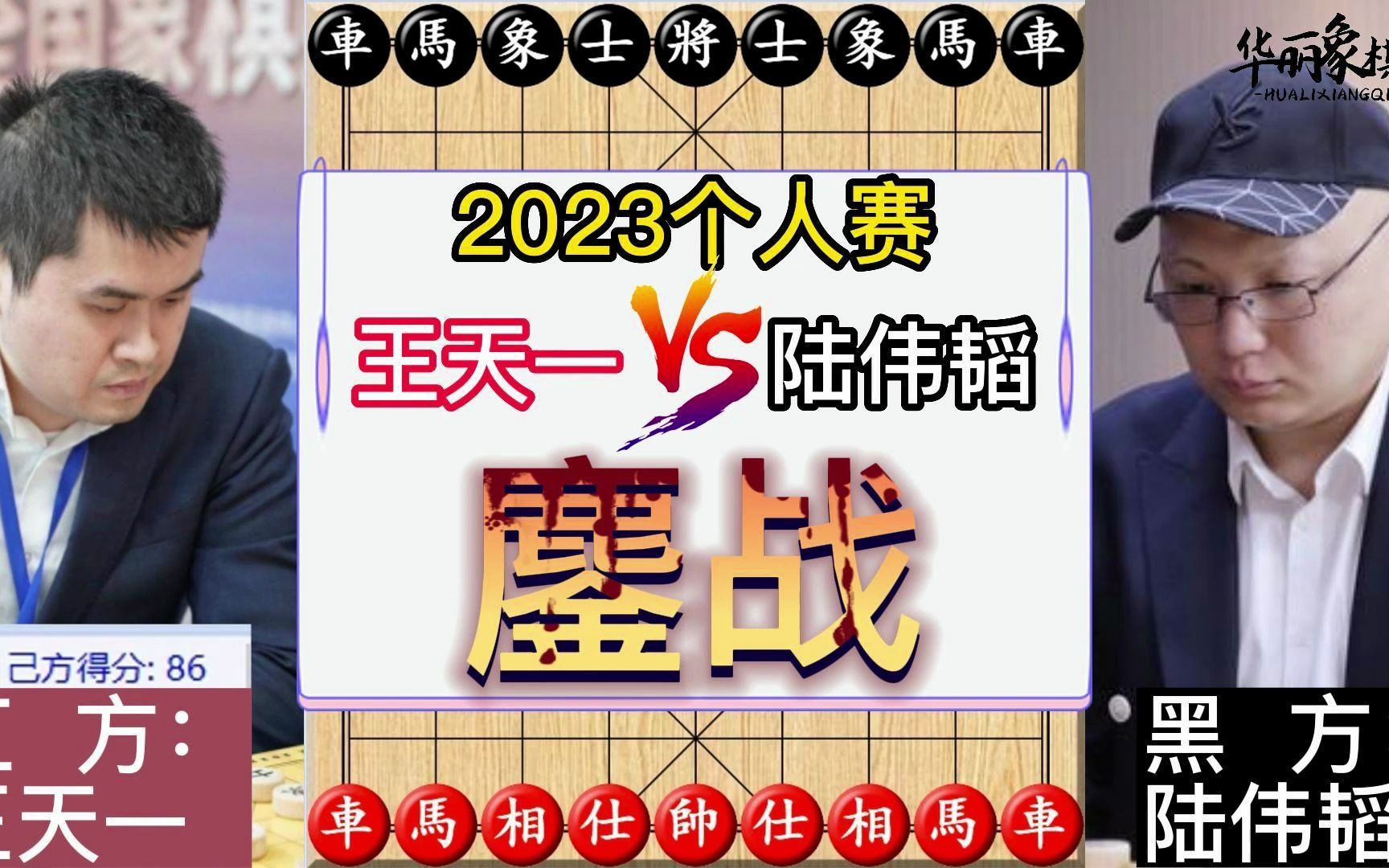
2023 nationals: Wang Tianyi defeats Lu Weitao after 115 moves

Bilibili · 华丽象棋丨棋软代理

A long practical review that directly complements this profile’s focus on patience in long games.

Duration: 11:15Watch on original site ↗

YouTube picks

Wang Tianyi and Hu Ronghua: a featured Xiangqi game

YouTube · Xiangqi Grandmaster Wang Tianyi

A two-player context piece for the era and rivalry around Wang’s public career.

Watch on original site ↗

Wang Tianyi’s most brilliant game: four sacrifices

YouTube · Xiangqi Grandmaster Wang Tianyi

An attacking-style explanation; verify the critical positions on the Sachess board.

Watch on original site ↗

2023 national individual final: Wang Tianyi vs Wang Yang

YouTube

A final-match context video to compare with the official event report.

Watch on original site ↗

2023 national individual final: Wang Tianyi vs Meng Chen

YouTube

Context for the 2023 featured game and final.

Watch on original site ↗

2023 final, game two: Meng Chen vs Wang Tianyi

YouTube

Adds the reverse-color perspective from the final.

Watch on original site ↗

Key moments

Key moments: only chess-relevant personal context

The 2012 title

The first national title was more than a number. The official report records an unbeaten 5-win, 6-draw result and the qualification context for grandmaster status; it marks the move from elite contender to national champion.

Long games as evidence

The 241-ply game against Xu Guoyi and 185-ply game against Zheng Weitong show why “attacking player” is too narrow a description. Repetition and redeployment are part of the evidence.

An honest archive

The 2016 loss to Cao Yanlei remains because losses test style claims. A style is not a slogan that always works; it is a judgment tested by structure, opponent plans, and time pressure.

Privacy boundary

No reliable public family details directly relevant to chess study were found for this first edition. The profile therefore focuses on verifiable career path, competition context, and game evidence rather than guessing at private life.

Study path

What can we learn from Wang Tianyi’s games?

01

Initiative is not speed; it is a sustainable choice

Compare the 2023 short game with the 2018 long game: initiative may convert quickly or first become a better piece position.

02

Read long games through changing resources

Do not count repetitions only; each king, horse, and cannon redeployment can change the defender’s options.

03

Use a loss to calibrate style claims

Read the 2016 loss alongside the wins to avoid the shortcut that a particular opening guarantees a Wang win.

04

Let the board verify the record

Every game has a full-move replay entry. Play it through on Sachess, then use FEN, the cloud book, or AI analysis for your own question.

Wang Tianyi at the 2019 National Xiangqi Champions Rapid Event
At the board: the 2019 National Xiangqi Champions Rapid Event · Original China Daily report ↗

FAQ

Frequently asked questions about this profile

How many national individual men’s titles did Wang Tianyi win?

The 2023 General Administration of Sport report calls it his fourth national individual title; the public record points to 2012, 2016, 2019, and 2023.

What opening is Wang Tianyi best known for?

Fei-Xiang systems recur in this selected sample, but five games cannot establish a career opening frequency. The careful answer is that Fei-Xiang is a representative study entry, not a forced-win opening.

Why does the profile include a loss?

A wins-only list creates selection bias. The 2016 loss to Cao Yanlei is a counter-sample for testing claims about style and openings.

Is Wang Tianyi still a grandmaster after 2024?

The 2024 Chinese Xiangqi Association notice said technical titles including grandmaster were revoked. This profile reports that historical notice and does not use the title as a current identity label.

Are these five games all of Wang Tianyi’s best games?

No. They are Sachess’s first curated study sample, selected for event relevance, game-length contrast, style comparison, and complete source records.

Sources and boundaries

Sources and editorial boundaries

Separating fact from interpretation is the core of this page’s originality. Sources support public facts, while Sachess adds sample selection, cross-game comparison, editorial labels, study questions, and replay paths.

Wang Tianyi explaining Xiangqi in a livestream
Wang Tianyi presenting a game in an online livestream (video thumbnail) · Original YouTube video ↗

Fact-check date: 2026-09-06. Third-party game databases may have incomplete event fields. This page does not show an unverified current rating, infer private family details, or turn a media report into a final court conclusion.