Yang Guanlin Xiangqi Profile: First National Champion
Explore Yang Guanlin: four national titles, the first championship in 1956, books, coaching, five complete games, GIF replays and archival photos.
Public-record research profilePublic-record research edition · Updated 2026-11-04
Career record at a glance
4National individual titles
1956First national title
1982First grandmaster cohort
1925–2008Life
5Selected study games
Player and method
Yang Guanlin: credentials and career
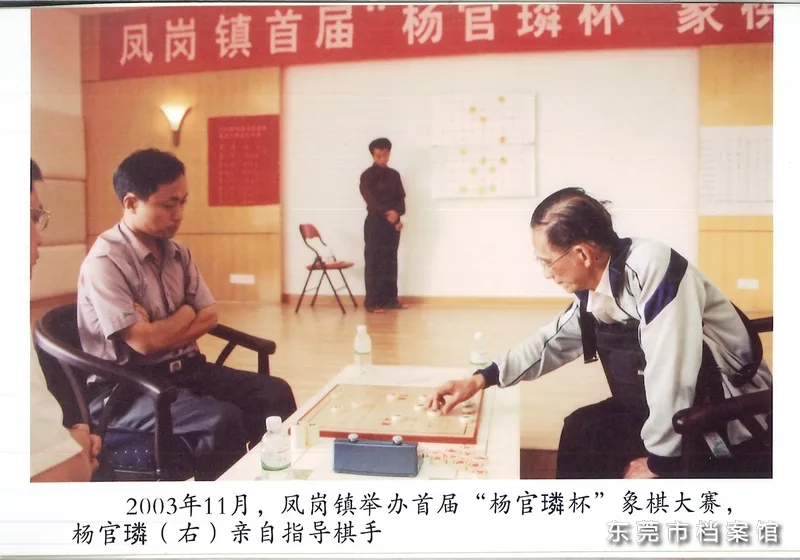
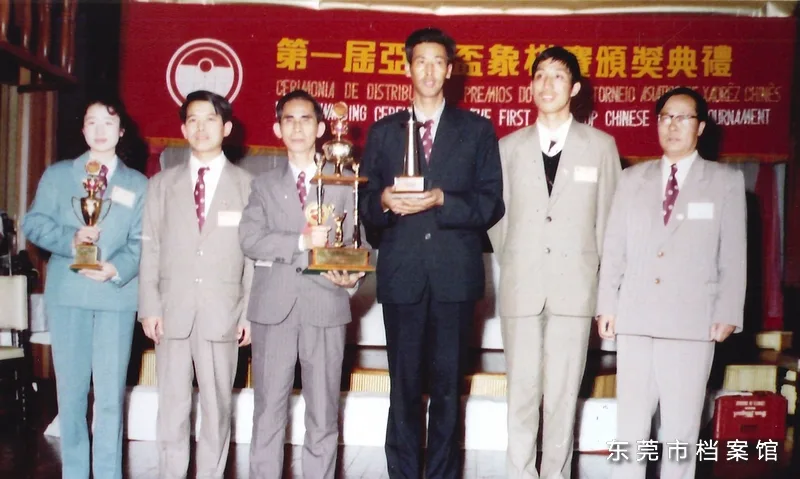
Yang Guanlin (1925–2008), from Fenggang in Dongguan, Guangdong, won the inaugural National Individual Xiangqi Championship in 1956. He won again in 1957, 1959 and 1962. His career connects local challenge matches, national tournaments and the professional team system.
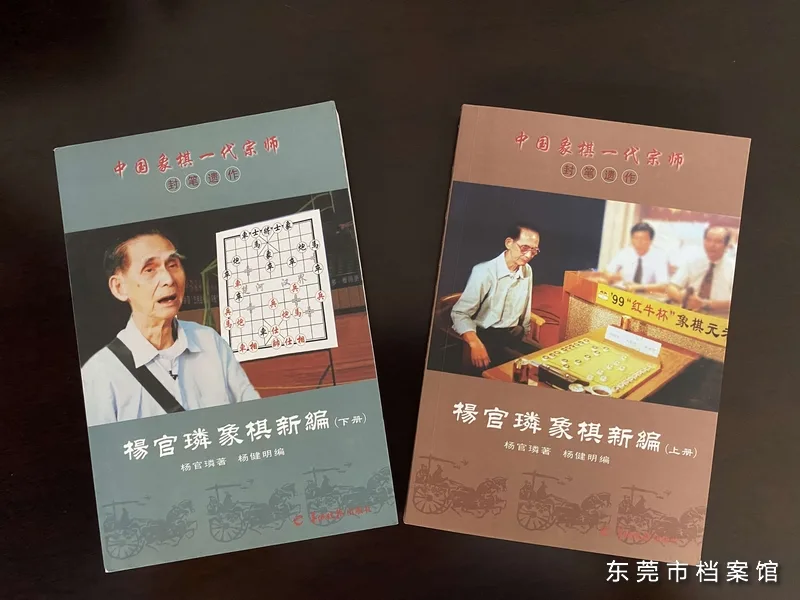
He also coached the Guangdong team, edited Xiangqi magazine and wrote chess books including Yilin Xinbian. This profile connects those contributions with five complete games, so readers can study the player behind the nickname “Mo Shu”.
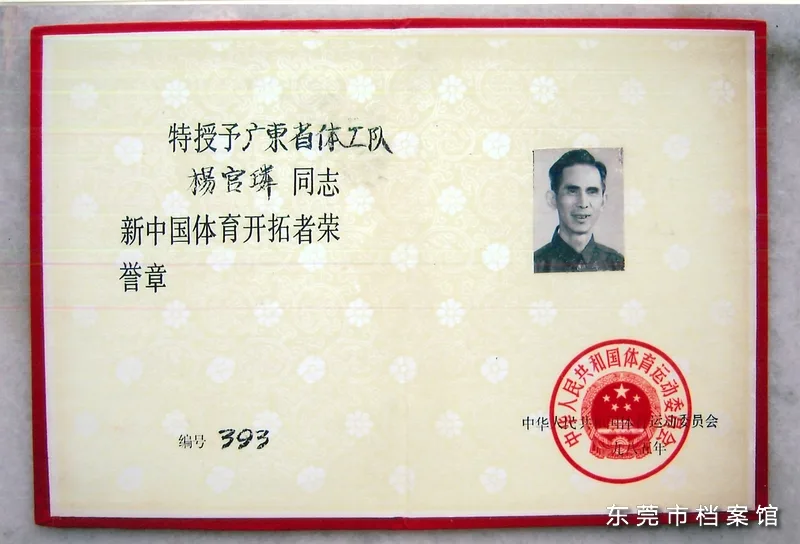
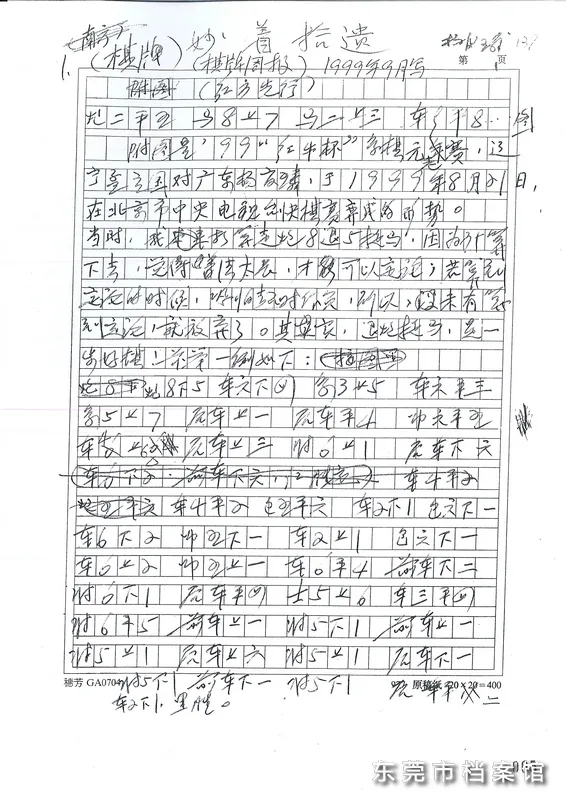
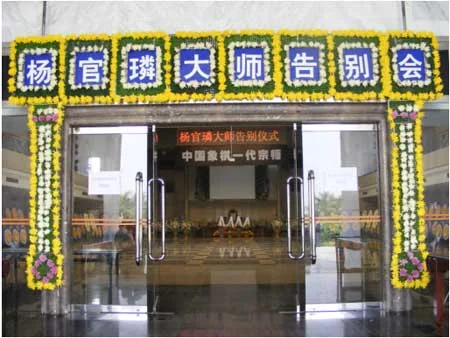
Six archival images connect play, a handwritten record, honours, books and commemoration.
Fact layer
From local challenges to national champion
The timeline below verifies the dated milestones first, then explains how they connect into a career path.
Born in Fenggang, Dongguan
Born on 29 May in Tangli village, according to the municipal archive.
Yang worked as a tailor and used buying trips to Guangzhou and Hong Kong to meet other players. Regional matches preceded the national tournament system; the 1956 title gave that experience a new competitive setting.
His four titles cluster between 1956 and 1962, but his national appearances continued to 1983. The title years and the participation span describe different parts of the career.
Books, magazine work and team coaching carried practical experience to different audiences and generations. They explain why his legacy extends beyond a title count.
Champion in 1956, 1957, 1959 and 1962; 1956 was the inaugural edition. The 1962 title was shared with Hu Ronghua.
Xiangqi grandmasterFirst cohort · 1982
Dongguan Municipal Archives records his inclusion in the first grandmaster cohort.
National tournament career18 editions
The archive counts 18 national individual events from 1956 to 1983, with 13 top-six finishes.
Publishing and coachingYilin Xinbian and more
His work extended to Xiangqi magazine and training the Guangdong team.
Current-status note
National results and a longer career
The four national titles cluster in 1956–1962, while national appearances continued to 1983. Books, magazine editing and Guangdong team training form another strand of the career.
Five Sachess selections: complete records and GIFs
Five games span 1956–1982: two wins, a draw and two losses. Compare early attacks with a later team-game balance through rook routes, pawn play and transitions.
Enable JavaScript to load the in-page replay board here, or open the endgame puzzle set。
01
1956 · Yang Guanlin won
Yang vs Liu Yici: the inaugural championship
1-0
Red: Yang GuanlinBlack: Liu YiciEvent: National Individual ChampionshipRecord length: 95 half-movesOpening: Central Cannon vs Screen Horse
1956 · 95 half-moves · High-resolution game animation generated by SachessDownload GIF
Yang won with Red in the 1956 individual event. After both black cannons cross the river, a rook transfer leads into coordinated horse, cannon and pawn play.
Study path: Relate the sixth-move rook lift to the subsequent pawn advances and changes of attacking route.
Opening moves (Click a move to sync the replay board above)
MoveRedBlack
Use arrow keys to move focus, Home / End for the first or last move, and Enter or Space to select.
Yang vs Zhu Zhaokang: rook transfers in Same-direction Cannon
1-0
Red: Yang GuanlinBlack: Zhu ZhaokangEvent: National Team ChampionshipRecord length: 95 half-movesOpening: Same-direction Cannon: upright vs lifted rook
1960 · 95 half-moves · High-resolution game animation generated by SachessDownload GIF
The public record identifies a 1960 national team-event win with Red. Different rook structures provide a contrast to the first two games.
Study path: Trace the red rook from the right wing to the left and then to the c-file, checking each target.
Opening moves (Click a move to sync the replay board above)
MoveRedBlack
Use arrow keys to move focus, Home / End for the first or last move, and Enter or Space to select.
Red: Hu RonghuaBlack: Yang GuanlinEvent: National Individual ChampionshipRecord length: 97 half-movesOpening: Cross-river Cannon vs Left Three-step Tiger
1964 · 97 half-moves · High-resolution game animation generated by SachessDownload GIF
Hu won with Red in the 1964 national individual event. Keeping Yang’s loss lets readers study continuous threats and defensive choices.
Study path: Find Black’s defensive candidates before checking how Red maintains the initiative.
Opening moves (Click a move to sync the replay board above)
MoveRedBlack
Use arrow keys to move focus, Home / End for the first or last move, and Enter or Space to select.
Red: Yang GuanlinBlack: Li LaiqunEvent: National Team ChampionshipRecord length: 84 half-movesOpening: Central Cannon vs Screen Horse: riverbank horse
1982 · 84 half-moves · High-resolution game animation generated by SachessDownload GIF
Yang drew with Red in an 84-ply national team game. Early cannon and horse play gives way to repeated rook-horse manoeuvres, adding a later-career contrast to the earlier selections.
Study path: In the final three moves, how do the red horse and black rook answer one another?
Opening moves (Click a move to sync the replay board above)
MoveRedBlack
Use arrow keys to move focus, Home / End for the first or last move, and Enter or Space to select.
Four: 1956, 1957, 1959 and 1962. The 1956 event was the inaugural national individual championship. The 1962 title was shared with Hu Ronghua.
Why was Yang called “Mo Shu”?
The Dongguan archive links the nickname with his persistent, grinding style. It is a chess-culture nickname, not an official title.
Which books did Yang write?
The archive lists Yilin Xinbian, Qiguo Zhengxiong Lu, Xiangqi Chunqiu and Yang Guanlin Xiangqi Xinbian. Consult each book for edition details.
How is he connected to Lu Qin and Xu Yinchuan?
As a Guangdong coach, Yang contributed to their development. The archive places them within his coaching legacy; that does not imply he was their only teacher.
Can all five games be replayed?
Yes. Each has full moves, GIF animation, in-page replay, a FEN / AI link and its public source.
Sources and boundaries
Sources and editorial boundaries
Career and result sources are listed below; each game links to its individual record.
Checked 2026-11-03. Games follow third-party records; only the established year is displayed and missing rounds are left blank. Photo reuse permission is unverified. Third-party video titles and opinions are not historical findings by Sachess.